From beneficiary to benefactor: the Train-The-Trainer ladder
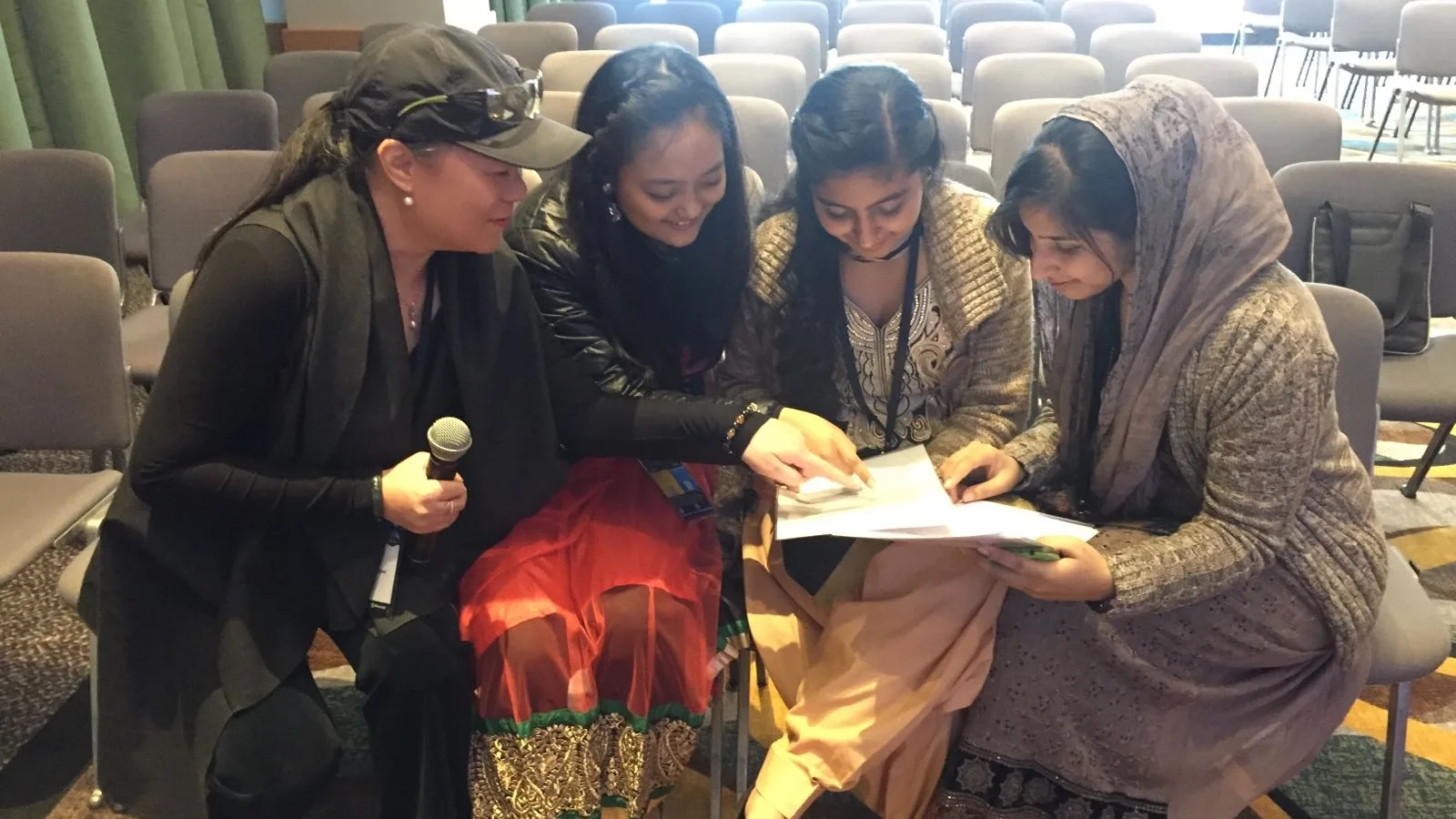
In a highly competitive society, vulnerable groups are often overlooked and excluded. After more than a decade of training and practice, especially through conversations with school teachers, iCare has come to understand the employment challenges facing SEN youth and grassroots communities. We are convinced that with careful cultivation of their strengths, they can move from receiving help to contributing to society.
A road with steps
Through the Train-The-Trainer assistant instructor programme and social service internships, iCare and its partners provide more than 100 hours of in-depth training for SEN youth.
Participants move through three stages:
- Junior learner: learning basic IT, communication and classroom etiquette.
- Advanced learner: joining internships, helping to lead activities and gaining real work experience.
- Assistant instructor: coordinating classes, guiding new learners and becoming a role model in the team.
This ladder gives young people clear goals and visible progress. “I can do this” becomes not just an encouragement, but evidence built up step by step.
Learning through service
Beyond the classroom, we encourage SEN youth to join community service, especially IT volunteer teaching for older adults and people with chronic illness.
When young people teach an older adult to use a phone, explain anti-scam messages or play a motion-sensing game together, they are not just “outputting knowledge”. They are practising patience, observation, expression and adaptability. These soft skills are often harder to teach than technology, and they need real settings.
Helping others, helping oneself
Through serving others, young people experience the joy of helping, discover their own potential and reposition their future direction. Some participants who were afraid of strangers begin to initiate conversations with older adults after repeated volunteer teaching. Some feel “useful” for the first time when an older adult thanks them.
We believe that when society has suitable roles and can combine them with the unique strengths of vulnerable groups, this becomes an unstoppable force for inclusion.
What companies and schools can do
This ladder needs many hands to build. Schools can offer early career exploration. Companies can provide internships and part-time roles. Social service organisations can provide real service settings. When young people are given opportunities, they often prove through their actions that they are not only beneficiaries, but also contributors.
Source iCare practice
Related articles
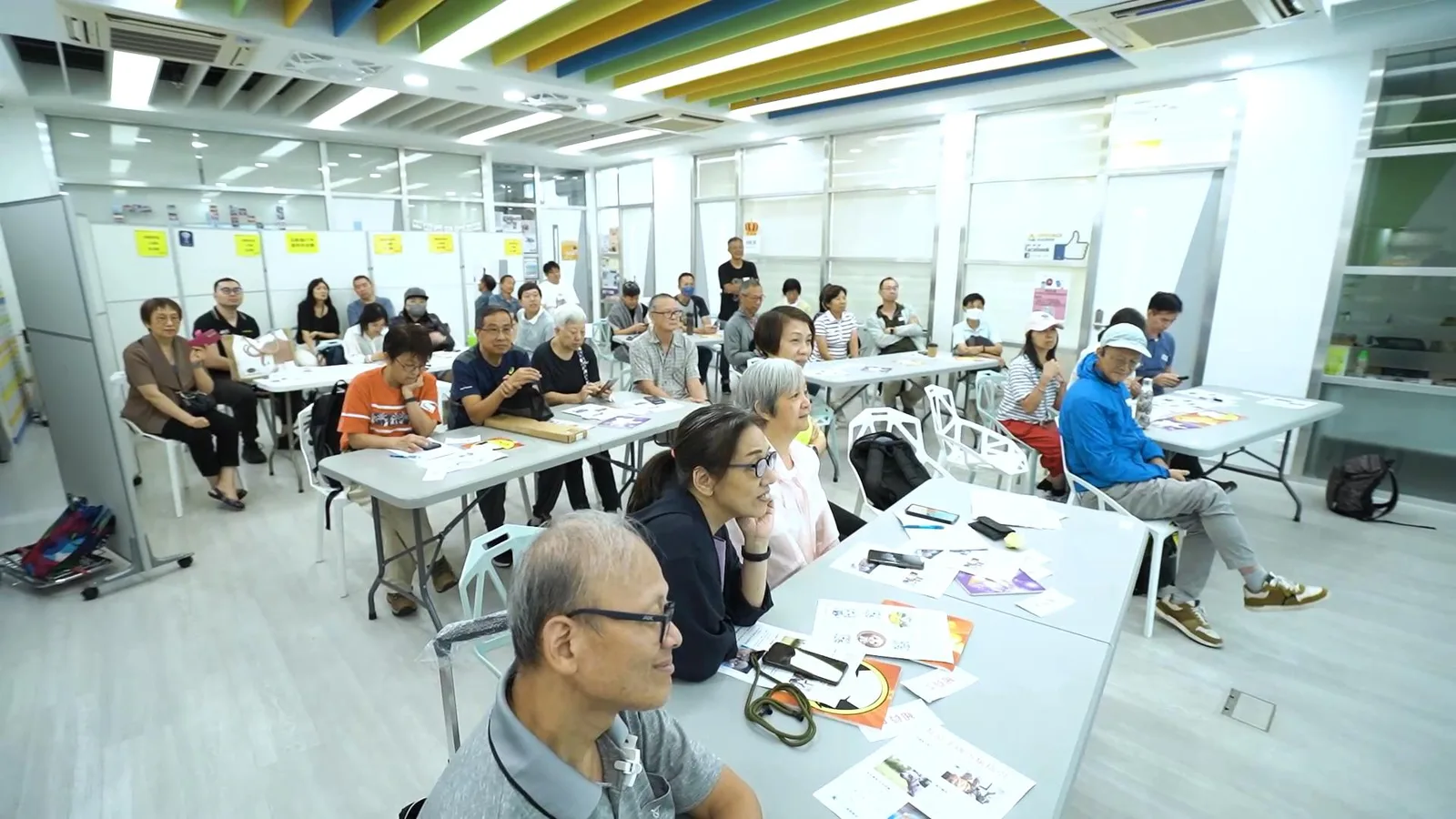
Smart Ageing Digital Ambassadors: a two-way warmth
When SEN youth become IT mentors for older adults, technology becomes more than a tool — it becomes a bridge of understanding and companionship between generations.