From stroke to walking together: Tiffany’s recovery and the Always a Way community
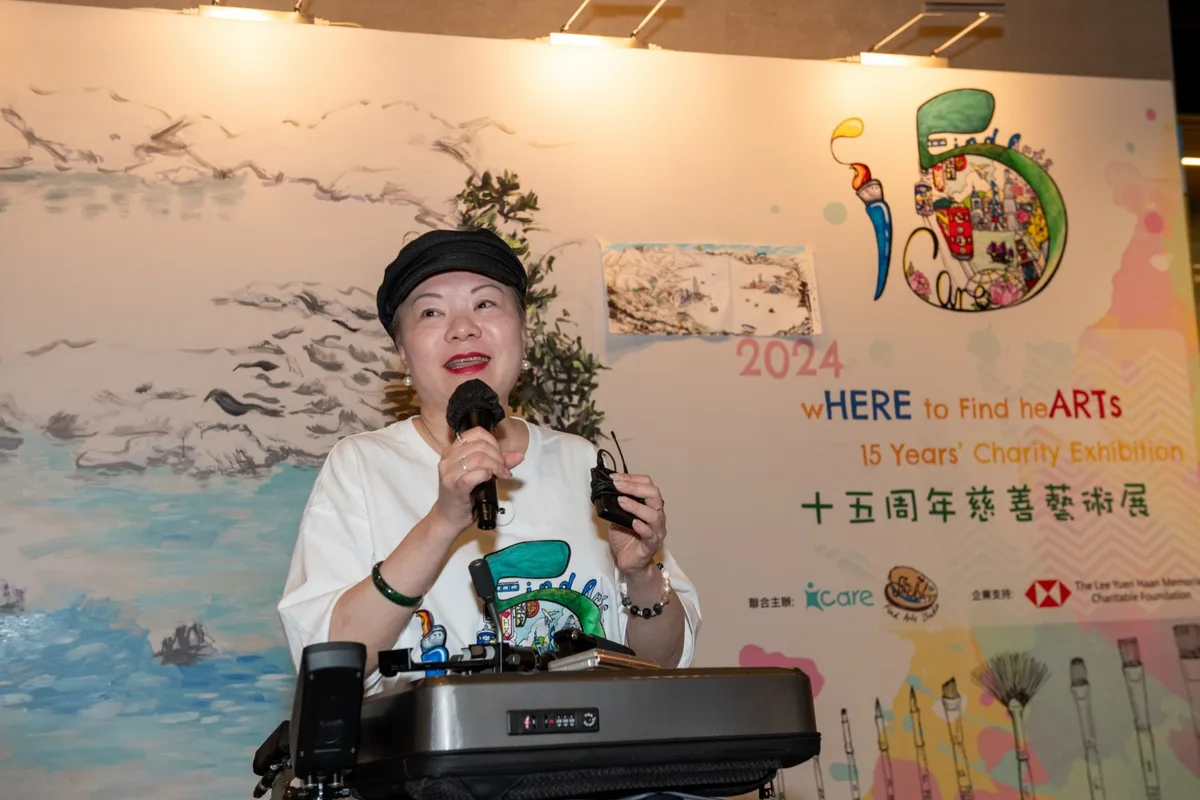
In early 2021, Tiffany collapsed at work and was diagnosed with a large-scale ischemic stroke in the brainstem. Nearly 70% of her brainstem cells were damaged, and the left side of her body was paralysed. She spent three years in rehabilitation, including relearning how to speak.
From being cared for to accompanying others
During recovery, Tiffany used social media to gather more than 250,000 family members of stroke, cancer and chronic illness patients, and founded the “Always a Way” Facebook community. She also invested her critical illness insurance payout to establish the “Always a Way” charitable fund, promoting intergenerational inclusion for SEN families and isolated older adults.
In an interview with RTHK’s “Healthpedia”, she spoke about her own social anxiety. She is afraid of crowds, but because she knows SEN youth also need someone to accept and walk with them, she chooses to step forward again and again.
However tired I am, I will never give up. Every year I grow older, I will walk with you for another year.
Not a hero story, but sustained companionship
In a Hong Kong01 exhibition report, Tiffany said she is not someone who descended from heaven. She simply began volunteering at 12 or 13 and kept going. She also does not believe the problems facing vulnerable communities have suddenly become “more serious” — they have always been serious; the question is whether they are seen.
This experience became an important foundation for iCare’s approach. If a service provider has never experienced helplessness, it is hard to truly understand another person’s helplessness. If a person in recovery is always seen only as a “beneficiary”, their experience cannot become support for someone else.
Turning a personal road into a shared road
Today, iCare uses IT training, art education and smart-ageing technology to help SEN youth and older adults discover their strengths and give back. Tiffany’s stroke is not a separate story; it is one of the starting points of iCare’s belief in moving from beneficiary to benefactor.
When one person is willing to open their recovery road to others, that road is no longer only theirs.
Source iCare news interviews
Related articles
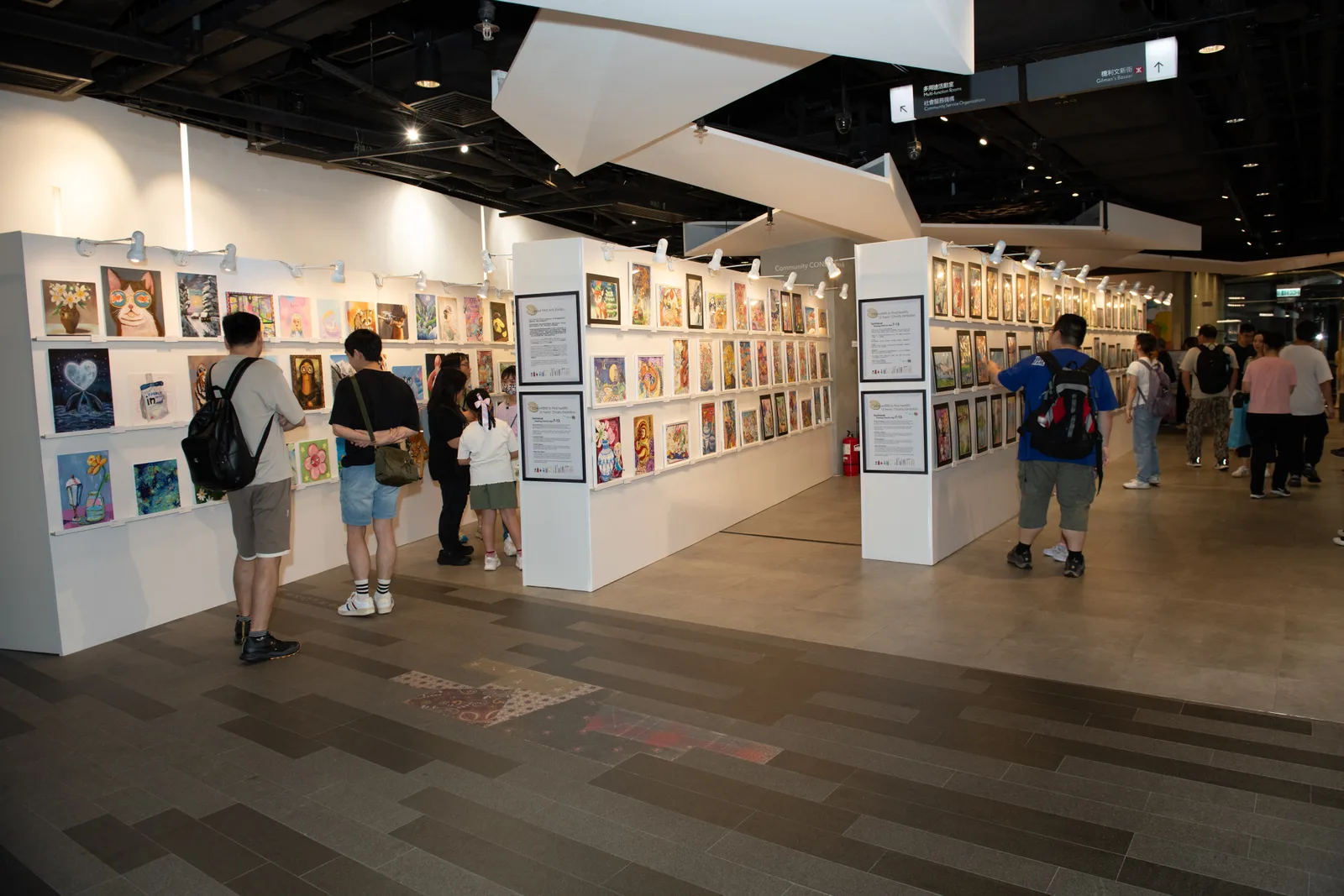
Behind 400 paintings: how a charity art exhibition helped SEN artists be seen
The 2024 15th anniversary charity art exhibition showed 400 works by SEN artists and reached its HK$120,000 online fundraising goal in 12 days. It was more than a showcase — it was a lesson in expression and giving back.
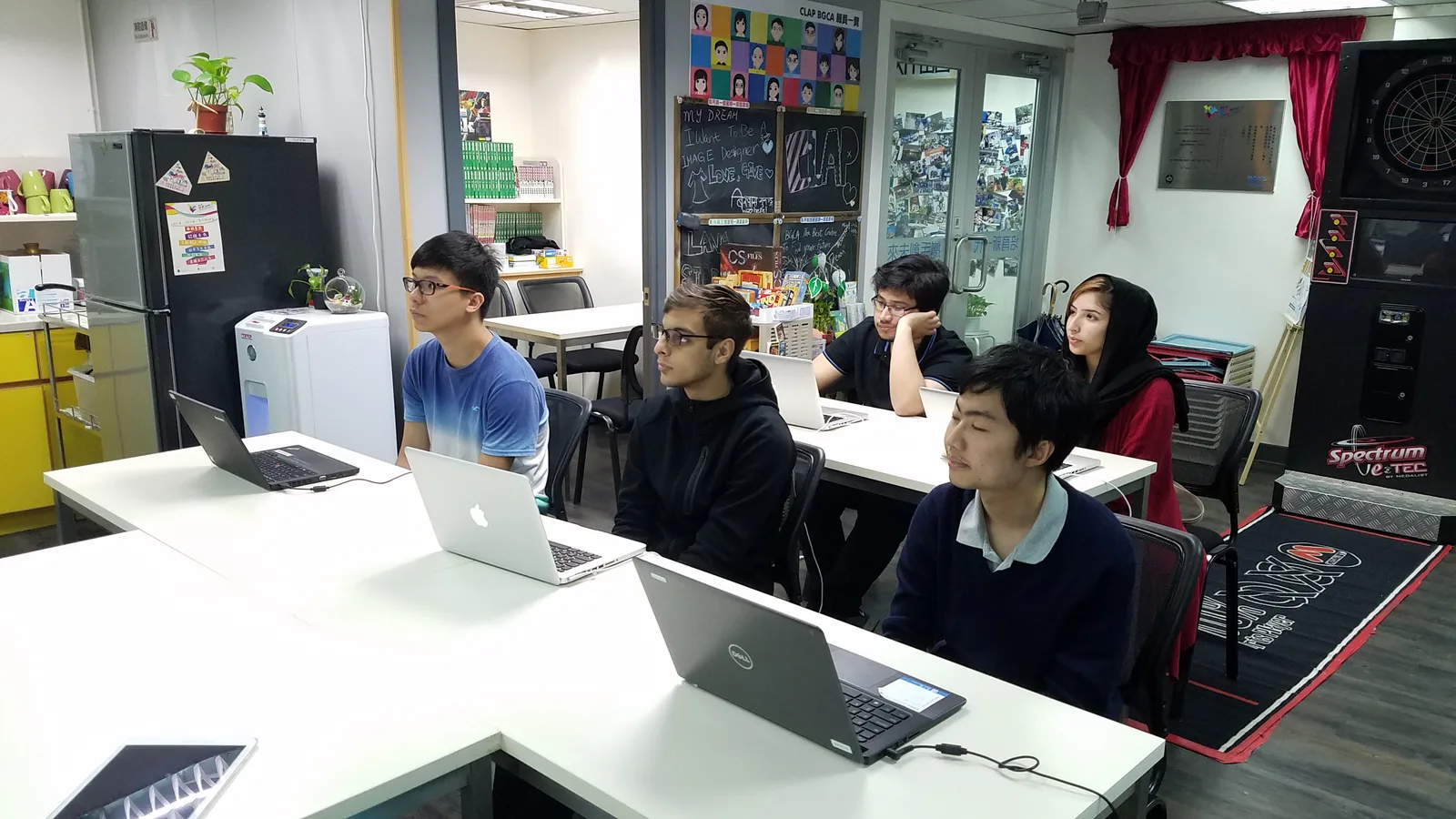
FamilyOnline: letting SEN youth be heard
From the 2019 Hong Kong Top Ten Quality Social Service Award to the project’s YouTube channel, FamilyOnline helped SEN youth bring their inner worlds to the public through animation, video and voice work.