
See strengths first: another starting point for SEN development

Traditional SEN development often begins with lack: lack of focus, lack of social skills, lack of work ability. These descriptions may not be wrong, but if we stop there, we see holes to be fixed rather than people with potential.
A strengths-based view does not deny difficulty. It changes the starting point: first ask what this person is good at, what interests them, and when they become engaged; then find ways to support their limitations.
Strengths are not always on the report card
Some strengths are easily missed:
- Deep focus on a particular subject
- Sharp observation of detail
- Patience and steadiness with repetitive work
- Sensitivity to other people’s emotions
- Strong visual memory or spatial awareness
- A willingness to help, follow rules and arrive on time
These qualities may not earn extra marks in a traditional classroom, but in some work settings they can be essential.
How AI can help
AI can help young people and parents turn vague observations into more concrete descriptions:
- Record which activities put the young person in a state of “losing track of time”.
- Organise completed projects, work and feedback into a simple portfolio.
- Help explain strengths and support needs clearly to an employer.
- Rehearse interviews, practising how to introduce oneself with concrete examples.
- Compare work environments to find the conditions where strengths can flourish.
AI can also help scaffold weaknesses, but the purpose is to create more room for strengths, not to make everyone the same.
Do not turn strengths into another pressure
A strengths-based view does not require everyone to be “excellent” or “positive” all the time. A young person can be tired, lost, or simply not good at something.
The real strengths-based approach is to take time to understand a person, rather than rushing to label them “promising” or “hopeless”.
Development is becoming more fully oneself
The goal of SEN development is not to remake a young person into what society considers normal. It is to help them live with dignity, choice and the ability to contribute in a suitable environment.
When we see strengths first and then talk about support, AI need not become another ruler for measuring deficits. It can become a mirror that helps a person see themselves more clearly.
Source iCare practice
Related articles
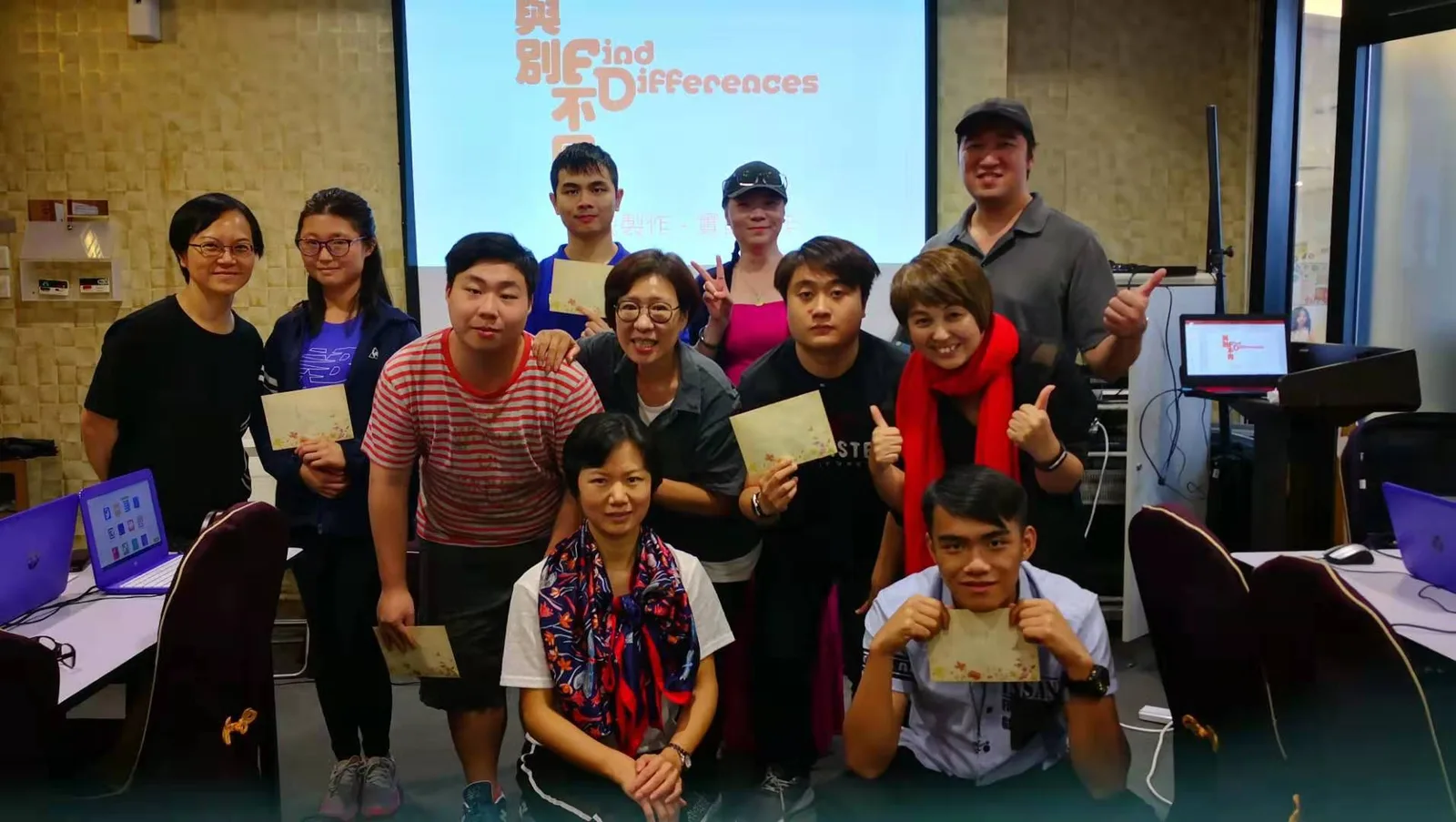
Interest does not have to become a job: using interest to inspire SEN thinking
Turning an interest directly into a career is very hard for many SEN youth. Using interest to inspire thinking and build everyday skills is more realistic.
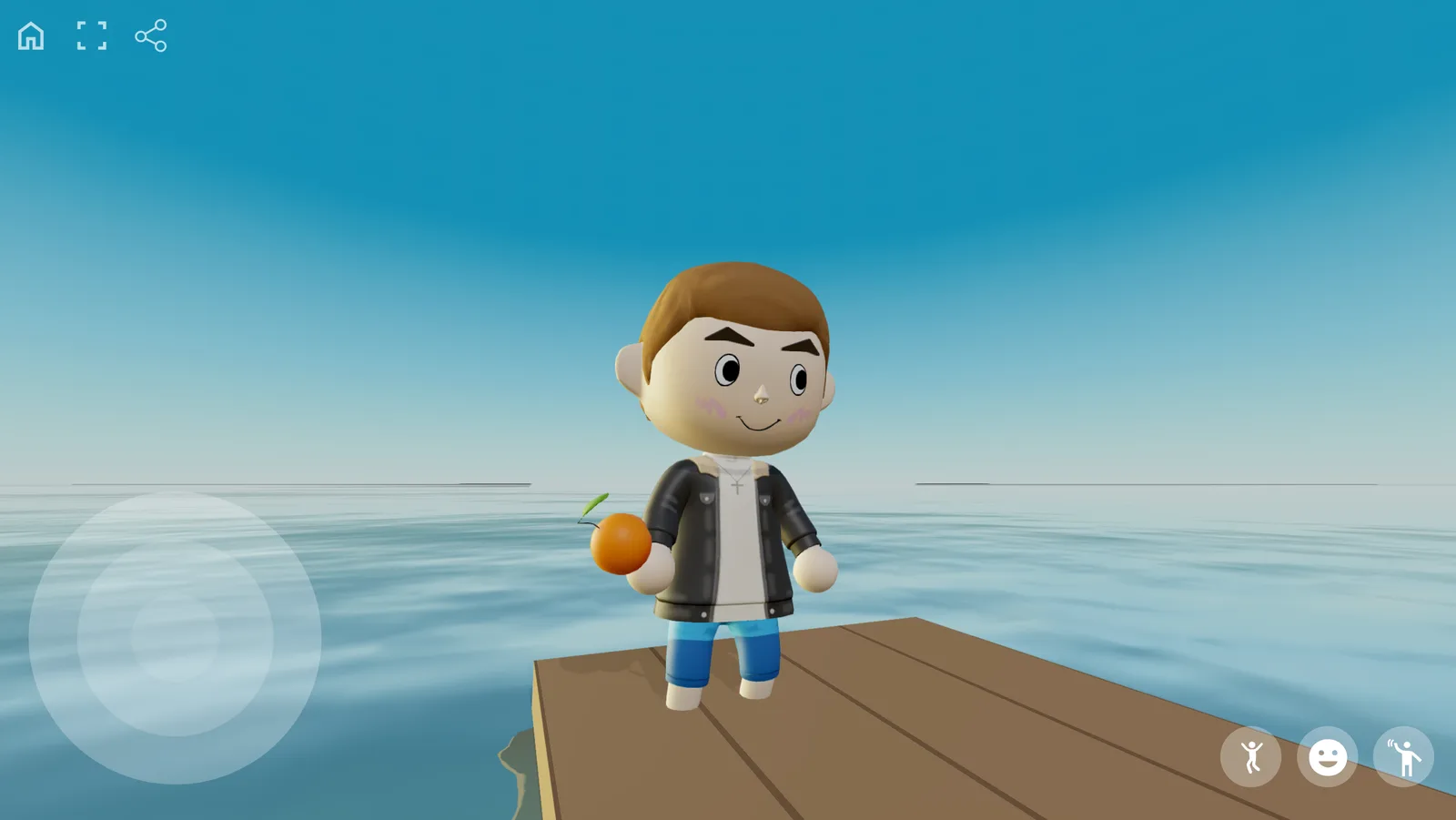
See the work before the label: the ability behind a 4.6 rating
When the public does not know who made the work, games created with SEN youth generally score above 4.6 globally. This is not sympathy — it is a direct affirmation of quality.
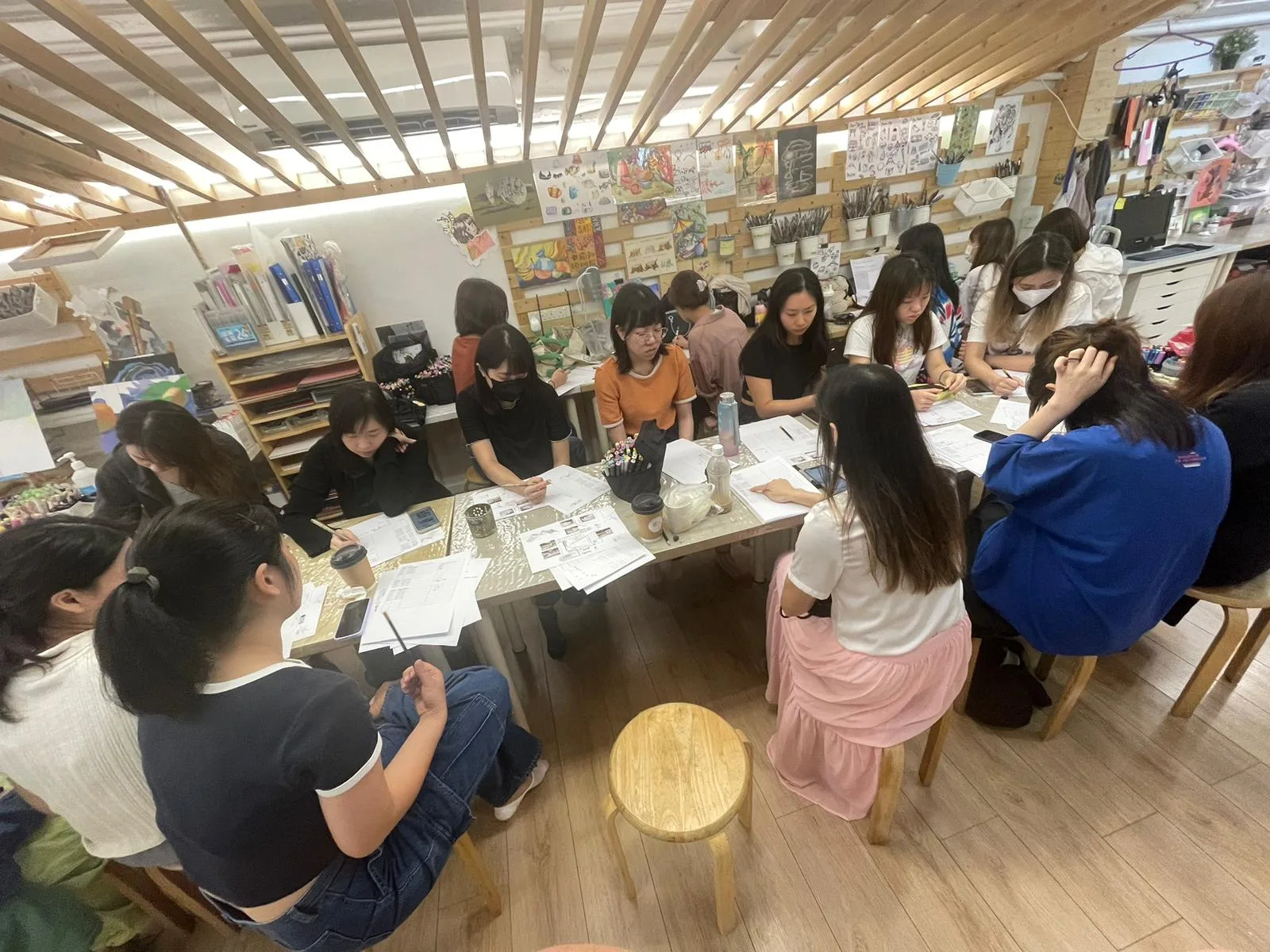
Starting AI career conversations at home
Parents do not need to become career experts. With a little help from AI, they can start a career conversation with their child without turning it into pressure.