
Inclusive employment is not charity — it is a win-win

In traditional recruitment, SEN youth are often the first to be overlooked. Gaps in a CV, nervousness in interviews or anxiety in unfamiliar settings can easily be read as “lack of ability”. But in conversations with employers, iCare keeps asking one question: have we ever given them a suitable starting point?
Start with one internship
At the CityU MBA SHARP Forum on “Fostering Inclusive Employment”, Tiffany pointed out that when companies provide suitable tools, training and workplace adjustments, the focus, creativity and problem-solving abilities of SEN youth can bring unexpected value to a team.
At PolyU Computing’s 50th anniversary dinner, she encouraged business leaders to start with an hourly part-time role or internship and invest in mentoring. She believes that with suitable adjustments and person-centred guidance, SEN youth are not merely beneficiaries — each of them can become a valuable member of society.
Inclusion is not lowering the bar
Inclusive employment is not about “giving” someone a job or lowering the requirements. It asks: what abilities does this role actually need? Which barriers can be removed? What support would allow this person to contribute?
- Use part-time or internship arrangements as an adaptation period.
- Write instructions clearly and reduce hidden social assumptions.
- Allow assistive tools such as speech-to-text, checklists or visual workflows.
- Offer simple inclusion training so the team can reduce misunderstanding and labels.
Hong Kong is an unstoppable force for inclusion
At PolyU, Tiffany said: “Hong Kong is an unstoppable force for inclusion.” It is not a slogan, but an invitation. When companies, schools and social service organisations are willing to adjust together, SEN youth can prove their abilities in real work settings.
Inclusive employment is not charity. It is a win-win for business and society.
Source iCare news interviews
Related articles
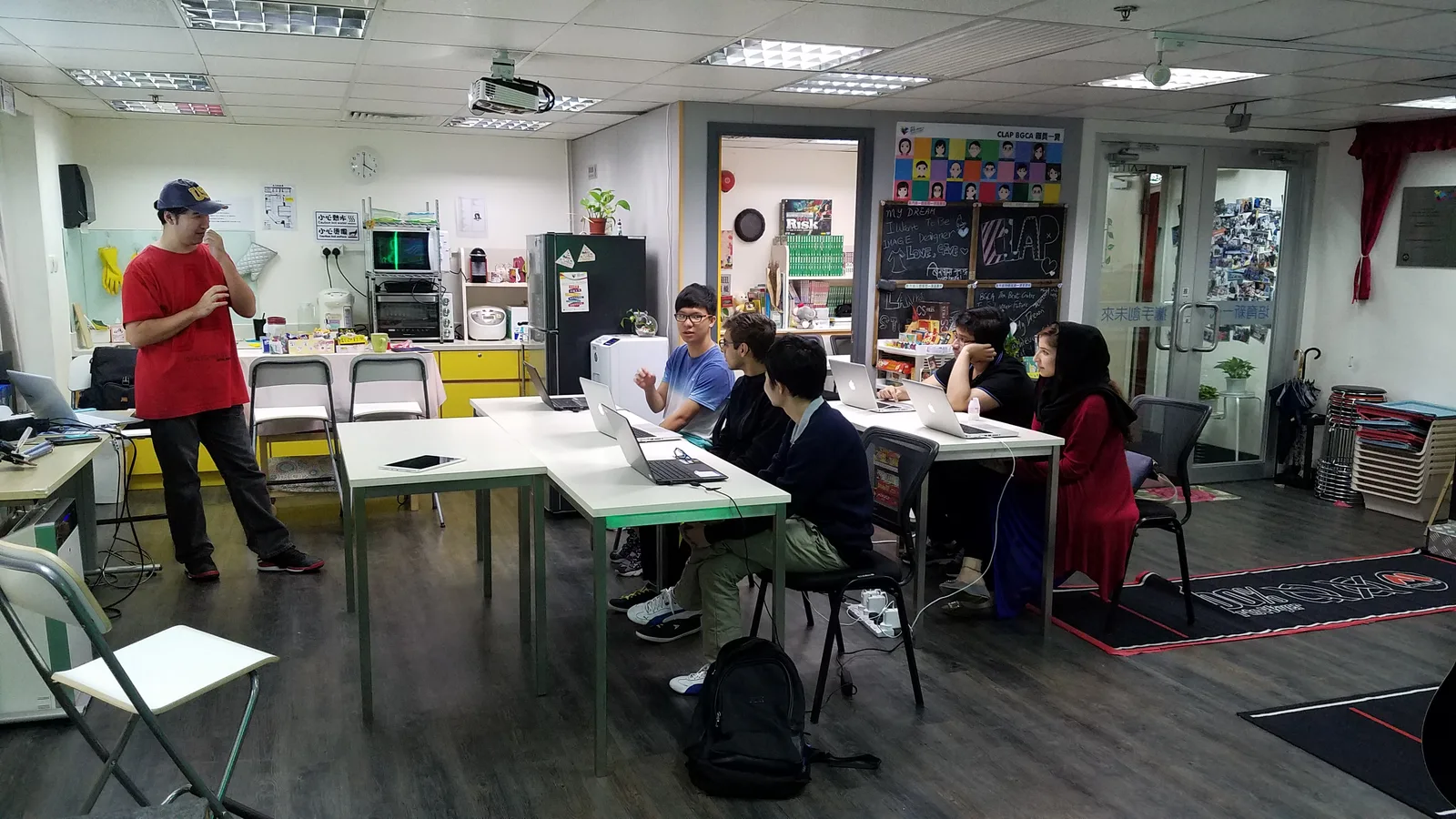
Making games with PowerPoint and Excel: office software as a career starting point
We do not ask SEN youth to become professional game developers first. PowerPoint e-books and Excel quiz games help them become fluent with office software for future work.
SEN career planning: smart ageing and walking with families
When an ageing population meets SEN employment challenges, smart ageing offers a new career path — and parents and employers determine how far it can go.