AI Buddy: support thinking, not replace problem-solving
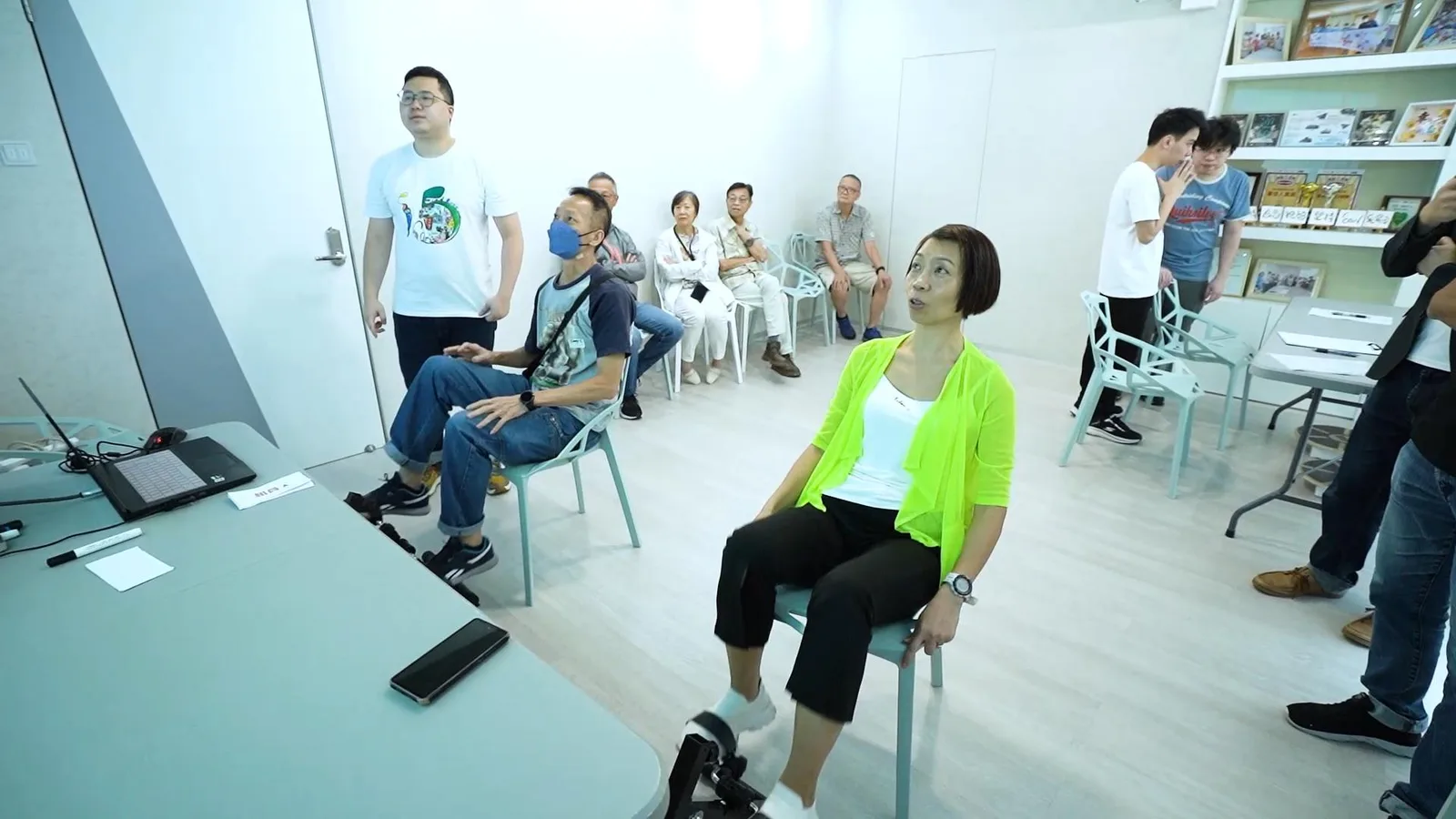
The AI Buddy we want to build for vulnerable communities is not an expert who knows everything. It is a partner willing to think alongside you.
It does not rush to give an answer. It first asks: What are you trying to solve? What have you already tried? What constraints do you not want to give up?
What an AI Buddy can do
- Organise: turn scattered thoughts, worries and hopes into a few themes you can work with.
- Ask: use questions to reveal blind spots instead of jumping to a conclusion.
- Broaden: offer several perspectives so you know there is more than one path.
- Break down: turn a vague goal into one small step you can take today.
- Rehearse: practise an interview, a conversation with parents, or asking an employer for what you need.
- Review: afterwards, help you reflect on what worked and what to try next time.
The core of all this is supporting thought. An AI Buddy is like a blank page, a mirror, or a patient practice partner.
What an AI Buddy should not do
- It should not replace doctors, psychologists or social workers in making diagnoses.
- It should not make major decisions for a young person and their family.
- It should not pretend to understand context it does not have.
- It should not reduce the complexity of vulnerable lives to motivational slogans.
- It should not collect or disclose personal data without consent.
Design principles
- Person-first: understand the person before talking about technology.
- Transparent: let users know what the AI is doing and what it does not know.
- Optional: AI is one option, not the only answer.
- Agency-preserving: the final decision always belongs to the person.
- Culturally sensitive: understand family, community and language, and do not measure people by one standard.
From solving problems to growing capability
If AI solves every problem for someone, they may become more dependent. If AI helps them think through each problem, they slowly grow the ability to solve problems themselves.
We want the second.
Source iCare practice
Related articles
AI is not a replacement — it is a potential enabler
iCare was recognised at DALA Awards 2025 not for AI technology itself, but for using AI to unlock the potential of SEN youth and older adults.
Why do vulnerable communities need AI in career planning?
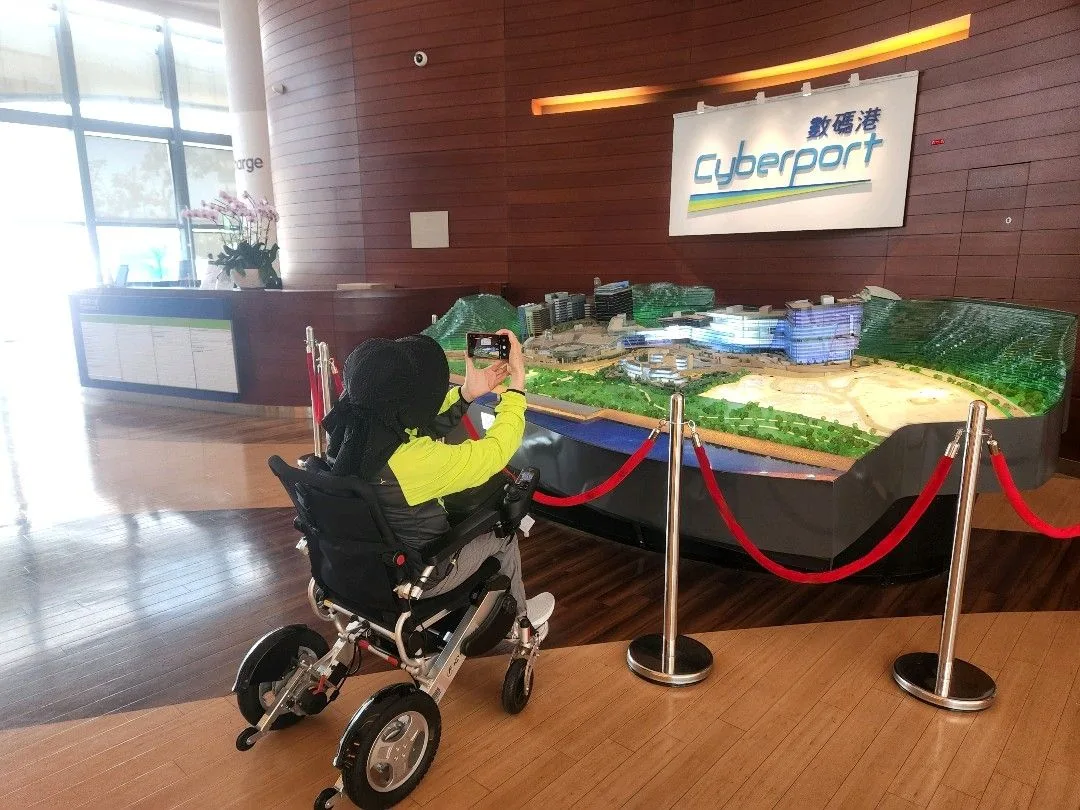
Vulnerable communities face not only a shortage of jobs, but gaps in information, exposure and support. AI can be a low-threshold thinking partner — but it must not make decisions for people.
The wooden barrel and AI: what can be scaffolded?
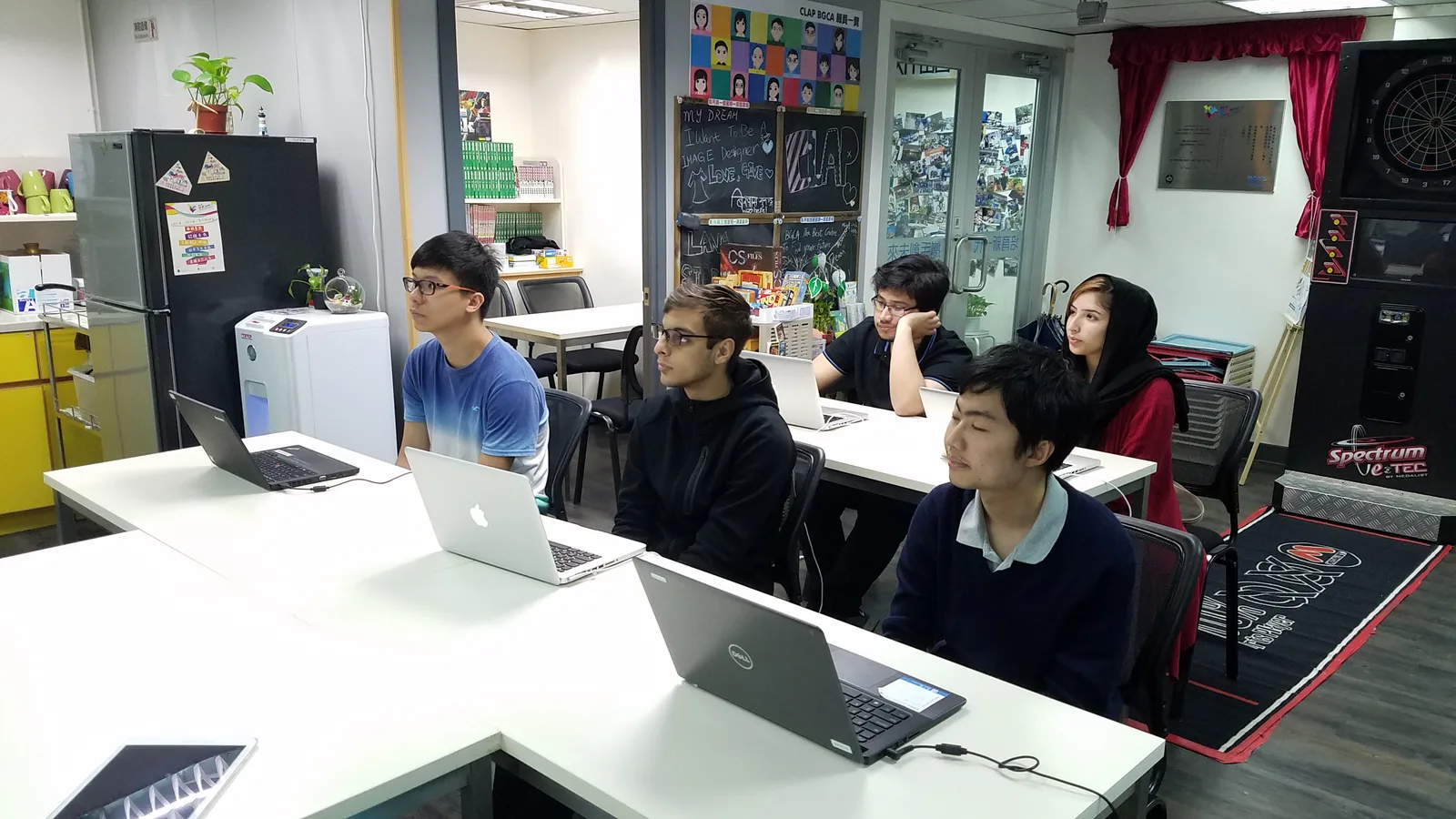
A barrel holds only as much water as its shortest stave allows. AI can help scaffold some gaps — but closing a gap is not the same as remaking a person.