The wooden barrel and AI: what can be scaffolded?
The wooden barrel theory says that how much water a barrel can hold depends on its shortest stave. The metaphor is often used to explain that a person’s development is limited by their weakest link.
For SEN youth, the short stave may be organisation, time management, social communication, written expression, or anxiety in unfamiliar settings. These difficulties are real and should not be dismissed with “just try harder”.
How AI can support
AI is not a universal fix, but it can act as a temporary stave:
- Speech-to-text can reduce the burden of writing and typing.
- Complex instructions can be broken into step-by-step checklists.
- Timetables and workflows can be made visual.
- Draft messages, CVs or emails can be generated for the young person to revise.
- Conversations can be rehearsed to practise asking for help, saying no or making a request.
- Long documents can be summarised to lower the reading barrier.
The goal is not to hide the gap, but to help the young person participate in more settings and spend more energy on what they do well.
Scaffolding, not remaking
There is a trap in seeing “fixing the short stave” as “making a SEN person more normal”.
Some differences do not need to be eliminated. They need to be understood and accommodated. Instead of forcing a young person to fail repeatedly at their weakest point, ask:
- Does this gap actually limit the goal in front of us?
- Can it be scaffolded with a tool, an environment or another person?
- Which parts should be trained, and which should be accepted?
- Have we focused so much on the gap that we missed the strength?
AI can scaffold certain capability gaps. It must not optimise away dignity, choice or individuality.
From the stave to the whole barrel
The barrel theory reminds us to look at the whole, not only the weakest part. The more important question is: what is this barrel for, and where is it going?
When we clarify the goal first, then decide which gaps to close, which to work around and which do not need fixing, AI can become a partner with direction — not another source of pressure.
Source iCare practice
Related articles
AI is not a replacement — it is a potential enabler
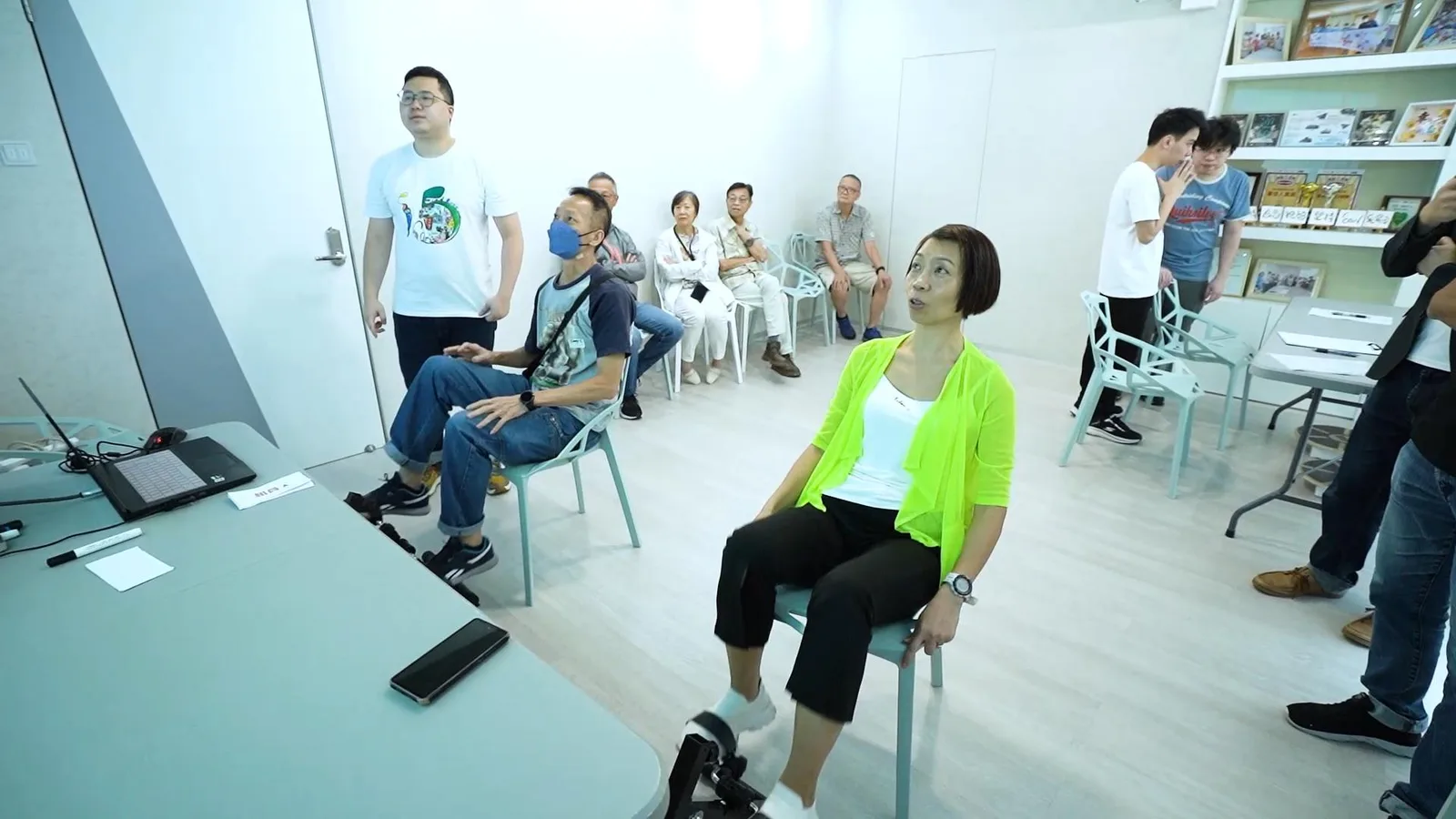
iCare was recognised at DALA Awards 2025 not for AI technology itself, but for using AI to unlock the potential of SEN youth and older adults.
Why do vulnerable communities need AI in career planning?
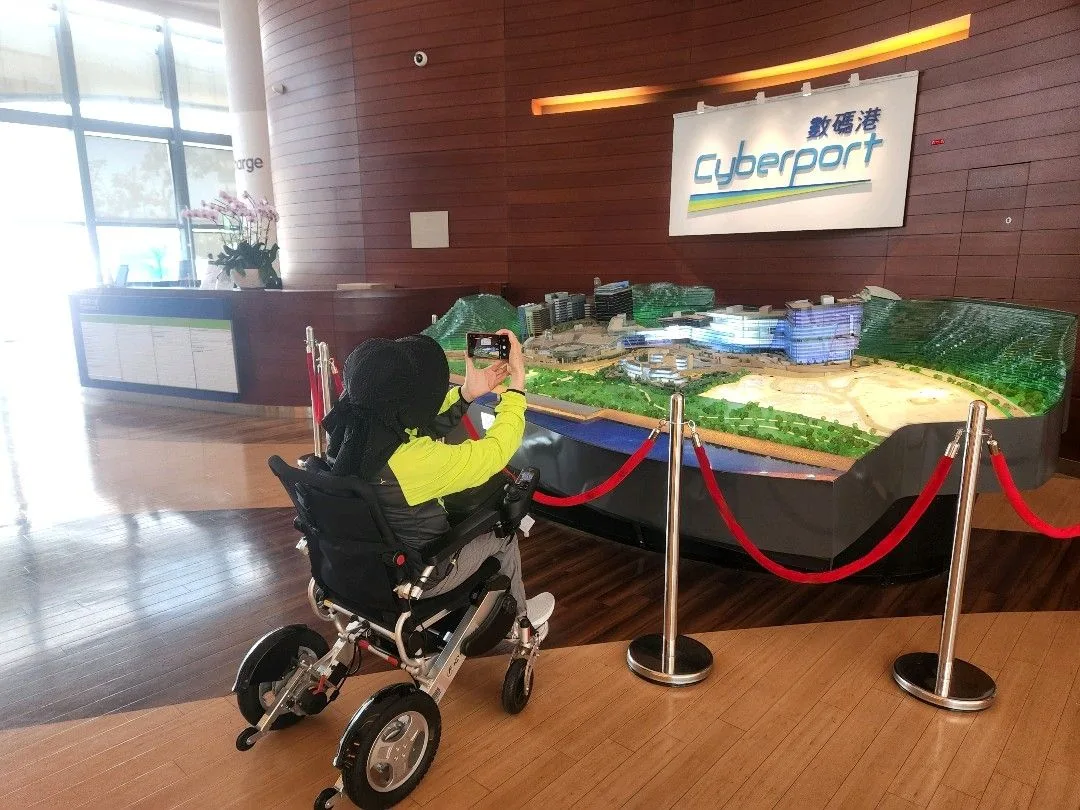
Vulnerable communities face not only a shortage of jobs, but gaps in information, exposure and support. AI can be a low-threshold thinking partner — but it must not make decisions for people.
AI Buddy: support thinking, not replace problem-solving
An AI Buddy is not an answer machine. It asks questions, organises thoughts and practises with you — strengthening human agency rather than replacing human judgement.