Why do vulnerable communities need AI in career planning?
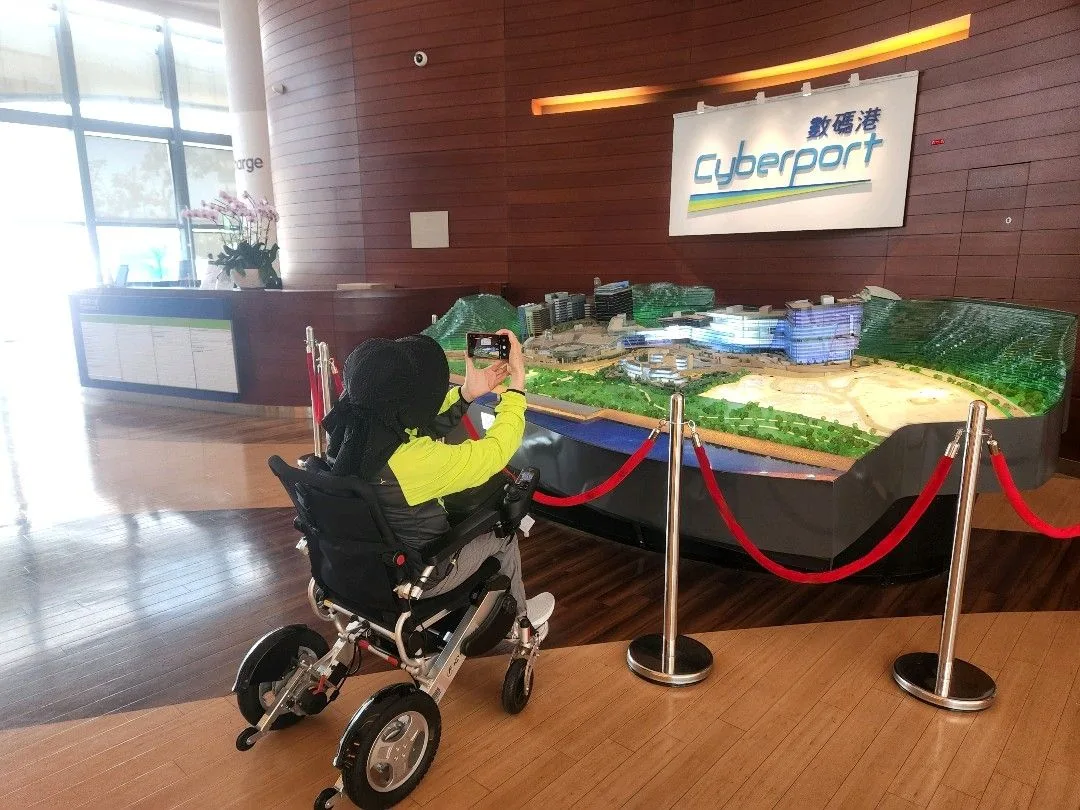
Career planning has never been only about choosing a job. For vulnerable communities, it also involves self-understanding, information gaps, family expectations, social labels and whether they have access to different possibilities.
A SEN young person from a low-income family may never have met a designer, a data analyst or a smart-ageing product manager. It is not that they lack ability. They simply have not had the chance to know these roles exist, or to see how someone like them could move towards them.
Four walls
- Information: job titles, entry requirements, pay and progression are often written in a language that is hard to understand.
- Exposure: there are few role models nearby, making it hard to imagine “someone like me” doing that work.
- Confidence: after years of being told what is wrong, “I can’t” can start to feel like a fact.
- Support: parents, schools and employers may not have the time or experience to unpack career questions together.
AI cannot knock down every wall, but it can lower the first one.
What AI can do
- Translate unfamiliar career information into language that young people and parents can understand.
- Help organise interests, abilities, work preferences and support needs.
- Compare pathways in terms of learning cost, work environment and possible development.
- Rehearse interview conversations in a low-risk setting.
- Break a large question into smaller questions that can be tackled one step at a time.
All of these have one thing in common: AI is not giving the answer. It is helping the person think more clearly.
AI is not a career counsellor
AI does not know this young person, their family, community, health situation or real constraints. It may offer outdated or biased information, and it may reduce a complicated life to a few neat suggestions.
The role of AI should therefore be that of an “AI Buddy” — a partner in thinking. It asks questions, organises information and offers perspectives. The final choice still belongs to the young person and their family.
Start with a question
If we want to build an AI Buddy for vulnerable communities, the first question is not “What can AI do?” It is “What is this person trying to solve right now?”
When the question is right, AI may become a useful tool.
Source iCare practice
Related articles
AI is not a replacement — it is a potential enabler
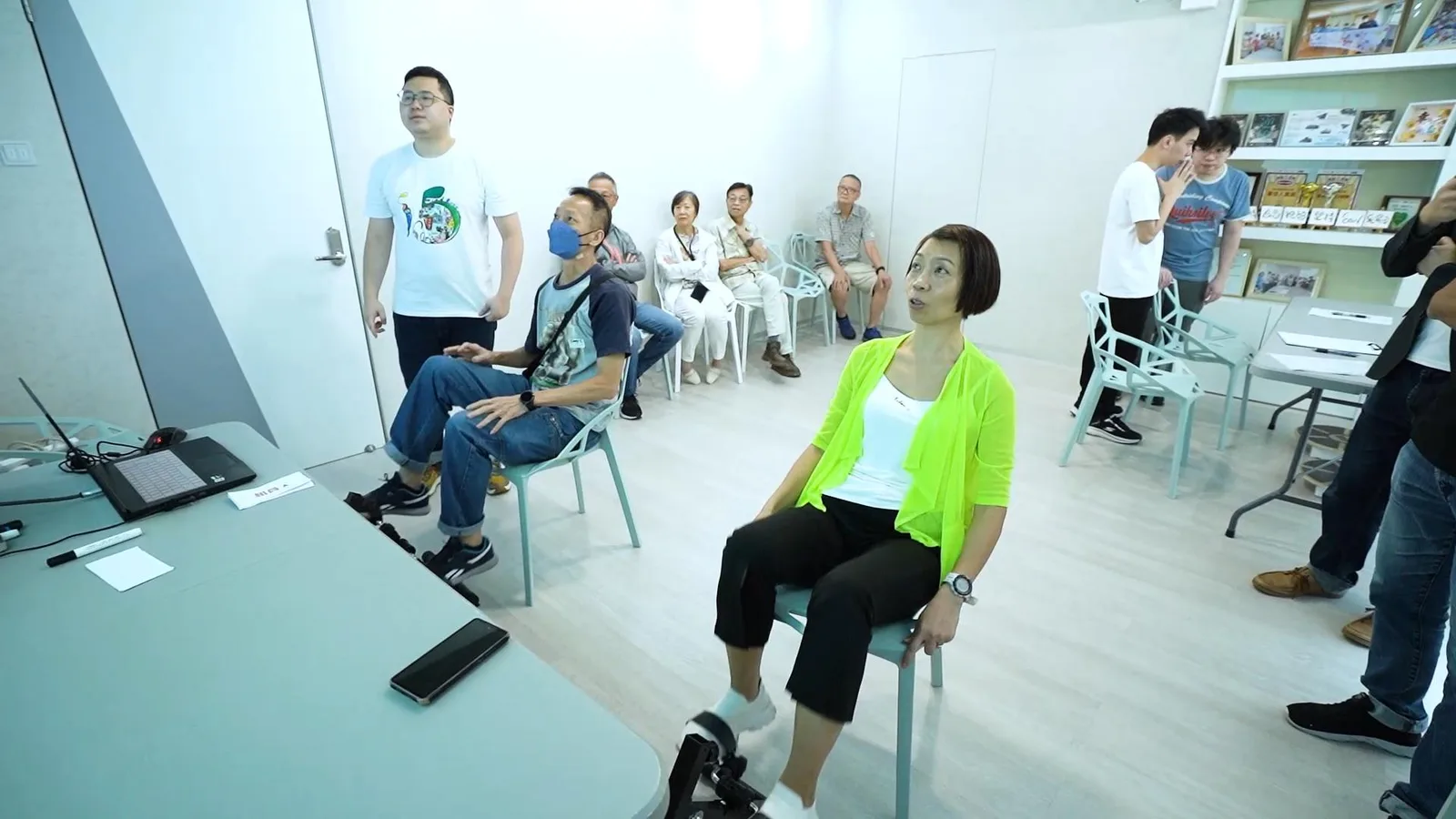
iCare was recognised at DALA Awards 2025 not for AI technology itself, but for using AI to unlock the potential of SEN youth and older adults.
AI Buddy: support thinking, not replace problem-solving
An AI Buddy is not an answer machine. It asks questions, organises thoughts and practises with you — strengthening human agency rather than replacing human judgement.
The wooden barrel and AI: what can be scaffolded?
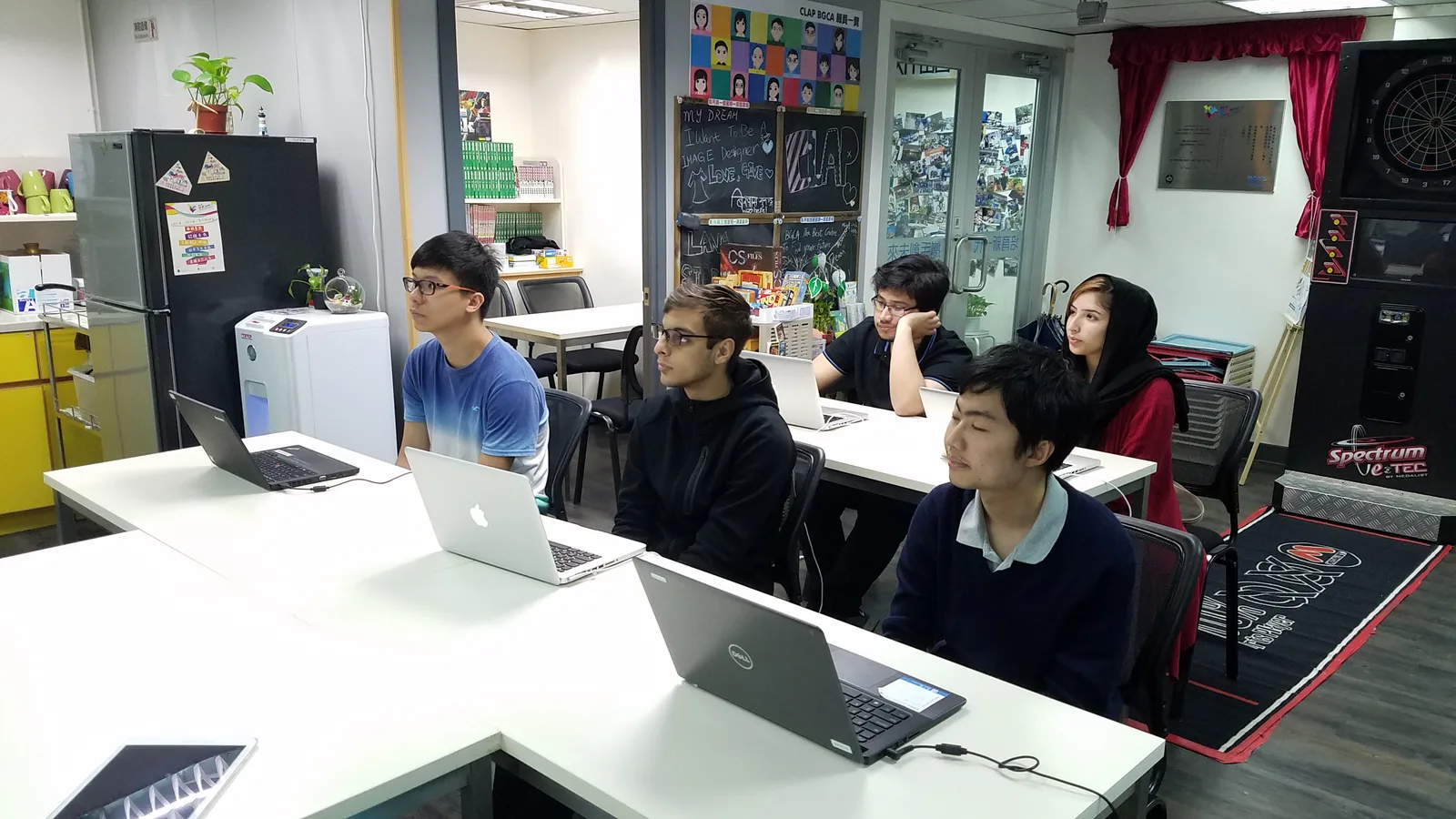
A barrel holds only as much water as its shortest stave allows. AI can help scaffold some gaps — but closing a gap is not the same as remaking a person.